
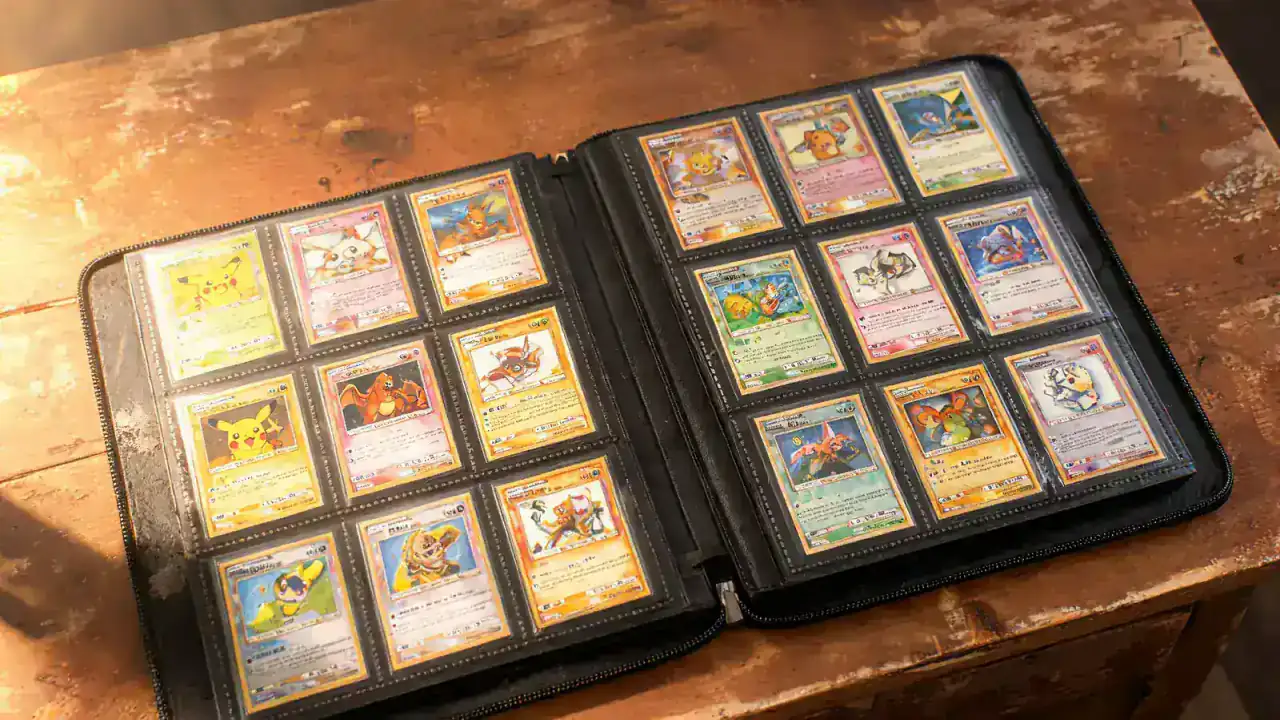
About a year ago I had a problem I'm sure a lot of you recognize: three hobby boxes of Pokemon Obsidian Flames, a fresh haul of 2024 Topps Chrome baseball parallels, and exactly zero binders I trusted to hold them properly. My old nylon binder had pages that sagged, a zipper that caught every third pull, and top-loading pockets that let cards drift down and crease at the bottom every time I set the thing on its spine. A collector friend of mine named Marcus, who runs a small card shop outside Atlanta, told me to stop messing around and just get the Vault X Exo-Tec. He'd been using one for two years and said the side-loading pages alone were worth the price.
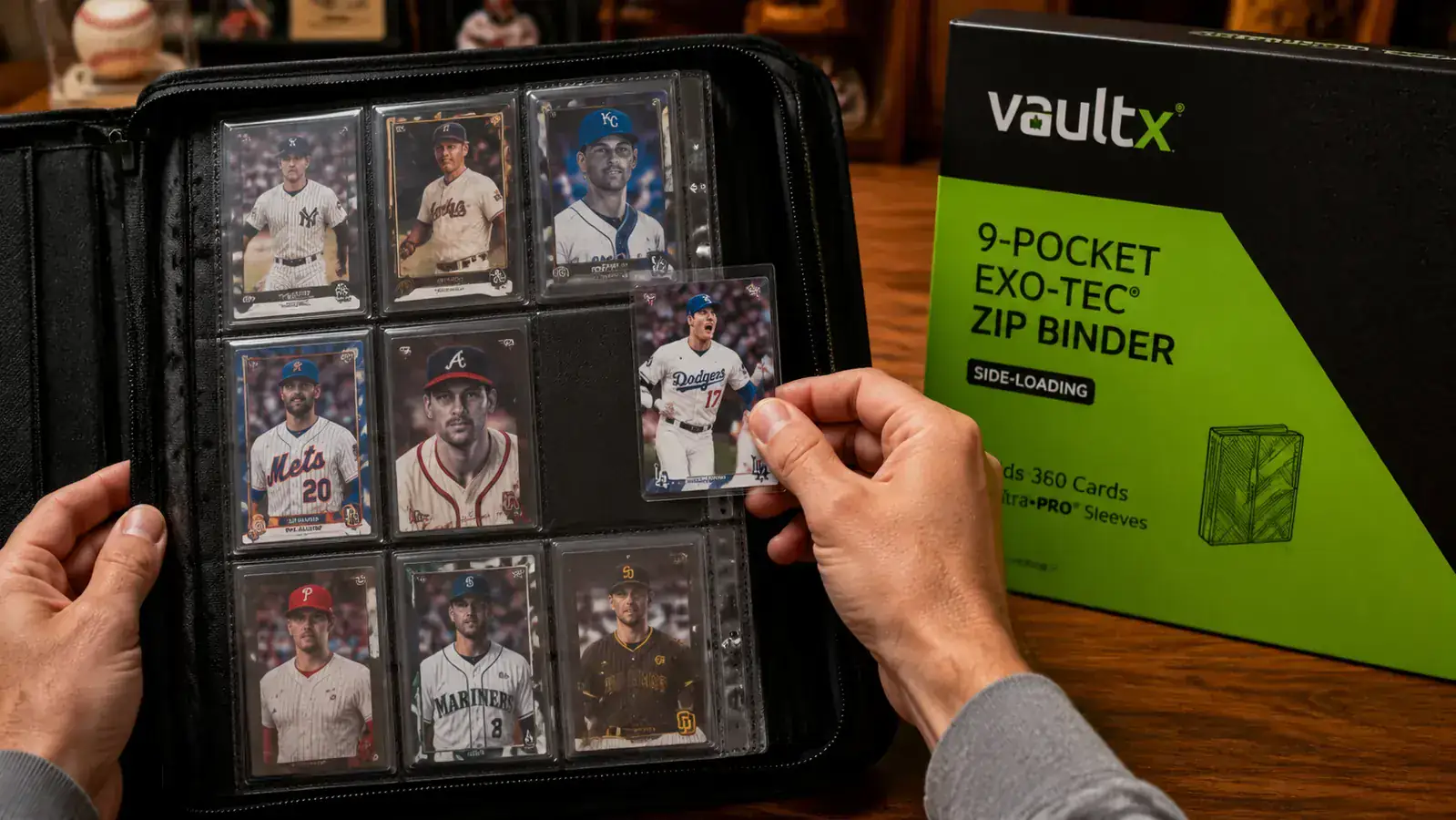
I ordered the Vault X 9-Pocket Zip Binder in black, which holds 360 cards across 20 double-sided pages. I've been using it weekly since then, across multiple pulls and trades, card shows, and one unfortunately rainy drive home from a local game store. What follows is what I actually learned over that year, not what the Amazon listing says.
The Quick Verdict
The best binder most collectors will ever need. Side-loading pages and Exo-Tec rigidity are genuinely better, the zip holds, and it looks like it costs twice what it does. The only real limit is capacity.
Amazon Check Today's Price →Your cards are slipping out the top. There's a better way.
The Vault X Exo-Tec 9-Pocket Binder holds 360 cards with side-loading pages that keep every card locked in place, whether you're at a card show or just flipping through at home. Currently rated 4.8 stars across 8,000+ collector reviews.
Amazon Check Today's Price on Amazon →How I've Used It
I'm not a casual collector. On any given week I'm opening at least one hobby box, pulling out the chase cards and parallels, sleeving them in penny sleeves, and then deciding what gets a binder page versus what goes in a top loader for grading consideration. The Vault X handles the middle tier of my collection: cards that are too nice for a random storage box but not quite at the 'send to PSA' level. Think reverse holos, etched rares, numbered parallels under 100, and vintage rookie cards that are graded candidates but not ones I'm submitting this quarter.
I loaded this binder to capacity, all 360 slots, within the first three months. Since then I've rotated cards in and out regularly as my collection priorities shift. I've brought it to two card shows in Charlotte and one trade night at my local game store. I've also had it sit on a shelf in my home office for weeks at a time, which tests the long-term storage angle as much as anything.
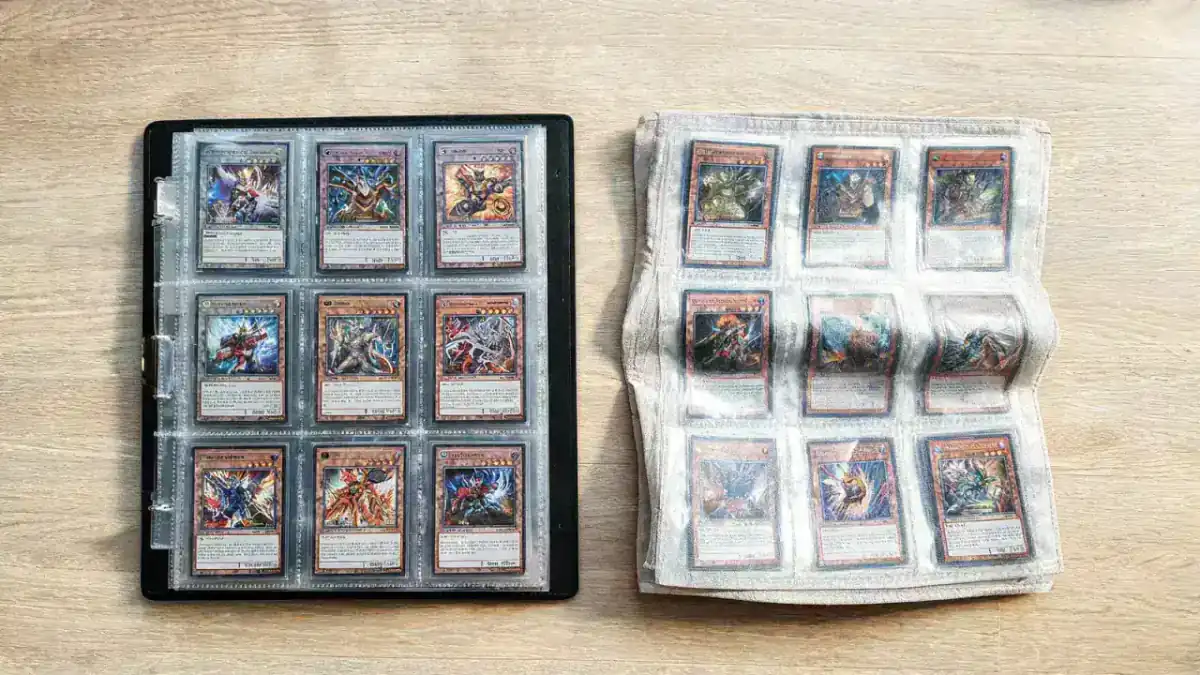
One specific test that wasn't planned: I had the binder in the back seat of my truck in a grocery bag and it started raining hard. The bag got soaked. The binder surface was wet when I pulled it out. I wiped it down, opened it, and every card inside was dry. That's the Exo-Tec material doing its job.
What Exo-Tec Actually Is and Why It Matters
Vault X markets Exo-Tec as a proprietary rigid, water-resistant exterior material, and in practice it performs like a high-quality hard-shell case wrapped in a fabric-like shell. It's not leather, it's not cheap nylon, and it's not faux leather that peels after six months. When I compare it to the standard nylon binders I used for years before this, the difference is obvious as soon as you pick it up. Exo-Tec binders don't flop. They hold their shape under load.
That rigidity matters more than people realize. A sagging binder puts lateral stress on every card in the pages closest to the spine. Over months, that stress shows up as slight bends in card corners, especially near the bottom of the page where cards slide down in a top-loading setup. A rigid binder keeps the card surfaces flat regardless of how full the binder is or what angle you're holding it at.
Against leather binders in the same price range, Exo-Tec wins on practicality. Leather looks better on a shelf display, but it breathes differently, it reacts to humidity changes, and after a year or two it can start cracking if it's not conditioned. Exo-Tec is maintenance-free. Wipe it down with a damp cloth and move on.
A sagging binder puts lateral stress on every card near the spine. That stress shows up as corner bends over months. Rigid construction is not a premium feature, it's a protection feature.
The Side-Loading Pages Are the Real Selling Point
This is the detail that separates the Vault X from most competitors at this price, and it's the thing that card collectors specifically talk about in every Reddit thread on binders. Traditional top-loading binder pages have the pocket opening at the top of each slot. That means gravity is working against your cards every time you tilt the binder, lean it against something, or set it on its spine. Cards drift toward the bottom of the pocket and the bottom edge takes on micro-stress over time.
Side-loading pages flip the opening to the side. Cards go in from the left or right edge and the pocket orientation means gravity holds them flat against the back wall of the pocket rather than pulling them down toward an opening. In a full year of use, I have not had a single card slip out of a pocket. Not one. Even at card shows where I'm flipping through quickly and the binder is getting tilted at all angles.
For Pokemon and Magic collectors specifically, this matters beyond just card safety. The card-flipping experience is different. When you open a side-loading binder and flip pages, the cards sit flush and still. There's no shifting, no fanning out of the bottom edges, no visual noise that pulls you out of the browsing experience. If you're showing off a binder full of chase holos at a card show, that presentation quality is noticeable.
The Zip Closure After a Year of Opens and Closes
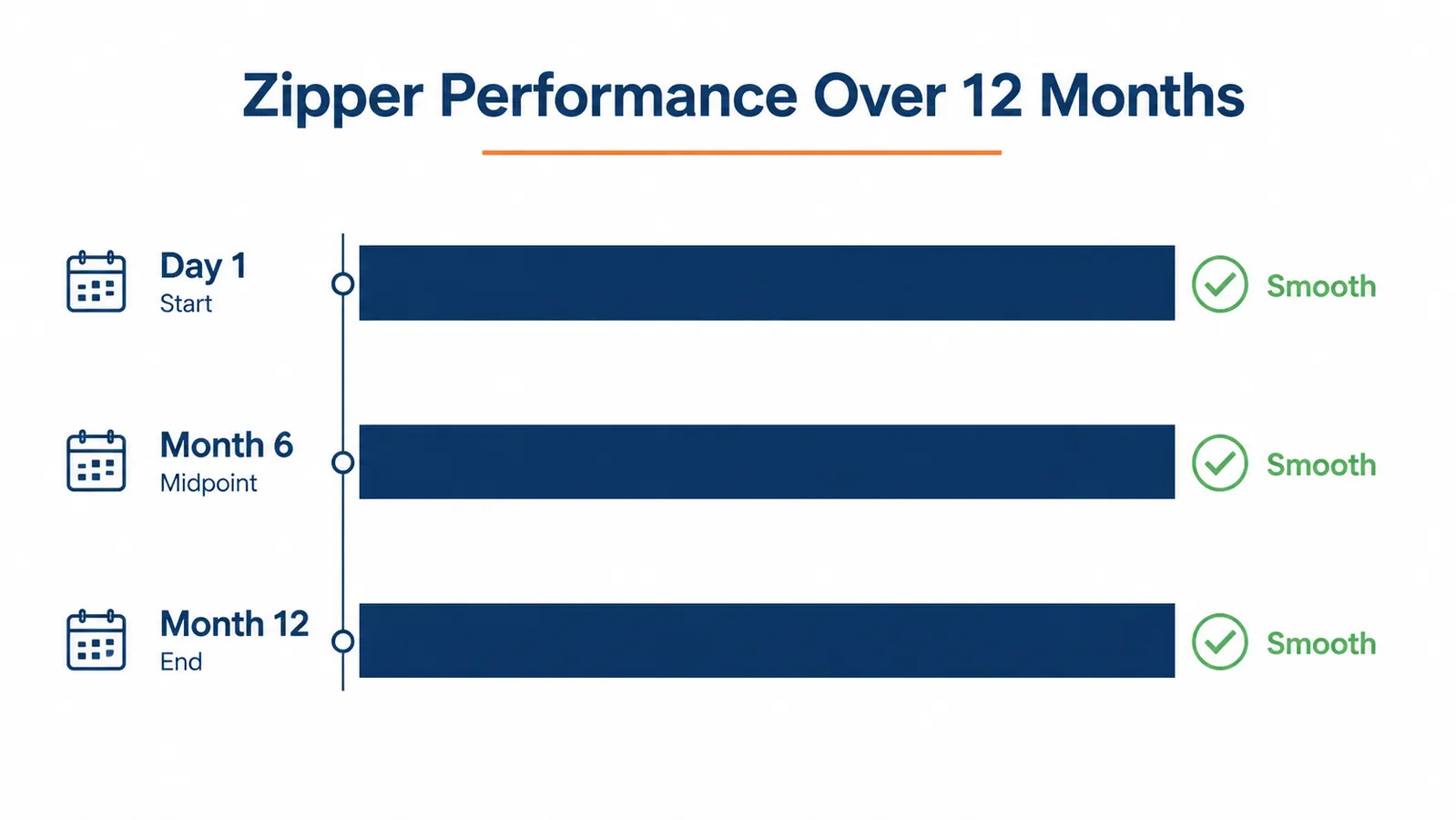
This was the question I was most curious about going in, because I've owned binders where the zipper was the first thing to fail. The Vault X uses a smooth-track YKK-style zipper that runs around three sides of the binder. After a year and what I'd estimate is well over two hundred open-close cycles, including some impatient one-handed zipping when my hands were full, the zipper still runs smooth with no snagging, no separation, and no fraying at the seam edge.
Is the zip closure a marketing gimmick? No, it serves a real function. Combined with the side-loading pages, the zipper is the second layer of card containment. Even if a card somehow worked loose from a pocket during transport, it's still inside the closed binder. For collectors who travel to card shows or just toss their binder in a bag, that closed-binder security is meaningful.
One honest observation: the zipper pull is small. If you have larger hands or grab it in a hurry, it can take two tries to get a solid grip. It's a minor thing, but it's worth noting.
The 360-Card Capacity Problem
Here's the part the listing doesn't prepare you for: 360 cards sounds like a lot until you start a new set. One full Pokemon set, including basic energies and trainer staples, can run 250-plus cards. Add the parallel versions of the chase cards, the secret rares, and your personal favorite commons that you want accessible and you're looking at a single-set binder. Two sets and you need a second binder.
For baseball card collectors working through hobby boxes, the math is similar. A 24-pack hobby box with 10 cards per pack gives you 240 cards before you've touched a second box. If you're pulling hits, parallels, and short prints into the binder while sending base duplicates to storage, you can fill the Vault X within two or three box breaks.
I own two of these binders now. One for Pokemon (organized by set), one for baseball (organized by player). That's how most serious collectors end up using them. The practical solution is to treat each binder as a dedicated set or player binder rather than a catch-all, and budget accordingly. Vault X also makes a larger version with more pages if your collection runs to a specific set, but the standard 360-card model is the one with the most reviews and the broadest availability.
What I Liked
- Side-loading pages keep cards locked in place during transport and active use
- Exo-Tec material is genuinely rigid, water-resistant, and holds its shape fully loaded
- Zipper holds up to frequent open-close cycles without snagging or fraying
- Presentation quality at card shows is noticeably better than soft nylon binders
- Pages accommodate standard-size Pokemon, MTG, baseball, and Lorcana cards without forcing
- 4.8-star average across more than 8,000 collector reviews confirms this isn't just hype
Where It Falls Short
- 360 cards fills up fast, especially for Pokemon collectors working through full sets
- Zipper pull is small and can be awkward to grip one-handed
- No dividers or tabs included, so multi-set organization requires an external solution
- Current price means buying two binders for a serious collection adds up quickly
Why Pokemon and Magic Collectors Specifically Swear By It
Both TCG communities share the same core problem: cards with textured or foil surfaces that show fingerprints and micro-scratches easily. The Vault X pages are made from a non-PVC material that doesn't react with card surfaces over long storage periods. I've pulled cards that have been in this binder for ten months and they look exactly as they went in: no cloudiness on the holo surface, no texture transfer from the page material.
Magic players in particular appreciate the nine-pocket layout because Commander and Draft collections involve lots of card cross-referencing. Flipping through a well-organized Vault X binder to find a specific card is fast and satisfying in a way that rifling through a box of top loaders never is. Several MTG players in my local playgroup have switched to this binder specifically for their 'binder trade' collections, the ones they bring to game nights to make deals.
Vault X vs. Cheaper Nylon Binders
I've tested three cheaper alternatives in the $12-$18 range over the past two years and they all share the same failure points: soft covers that bow under the weight of a full load of cards, top-loading pages, and zippers that start snagging within three months. The pages in cheaper binders also tend to be thinner and slightly sticky, which is the last thing you want against a Pokemon holo or a PSA-not-quite-ready vintage card.
The Vault X costs more at retail. What you're paying for is material quality that doesn't degrade, pages that don't harm card surfaces, and a construction approach that actually protects cards during transport rather than just during shelf storage. For the average collector who opens two to four hobby boxes a month and cares about the condition of their collection, the price difference pays for itself in avoided card damage within the first year.
Who This Is For
This binder is built for the collector who is serious enough about their cards to care about storage quality but isn't necessarily sending everything to PSA grading. If you're opening hobby boxes of Pokemon, baseball, or MTG regularly and you want a central place to organize and display your best non-graded cards, the Vault X Exo-Tec is the obvious answer. It's also the right tool for collectors who take their binder to trade nights, card shows, or game stores, because the side-loading pages and zip closure turn the binder into something you can actually transport without worrying.
If you need help figuring out the best organizational system once you have the binder, I put together a full guide to organizing trading cards in a binder that covers sorting strategies for Pokemon, MTG, and baseball collections specifically. And if you're trying to decide between this and the Ultra Pro binder line, the Vault X vs Ultra Pro binder comparison breaks down exactly where each one wins.
Who Should Skip It
If your primary collecting goal is grading submissions, you don't need a binder at all. Cards headed to PSA, SGC, or CGC should live in Card Saver 1 semi-rigid holders and ship in a padded flat-rate box, not sit in a binder page for months accumulating handling risk. Save the Vault X for the portion of your collection that you're actively enjoying rather than prepping for submission.
Bulk card collectors who are storing thousands of base commons and duplicates are also better served by BCW storage boxes than by binders. The Vault X earns its price for the top tier of a non-graded collection, not as a bulk storage solution. Use it for cards you care about and route everything else to long boxes.
If your cards can slip out, they will slip out. Side-loading fixes that.
The Vault X Exo-Tec 9-Pocket Zip Binder is the binder Pokemon and MTG collectors keep recommending to each other because it actually works during transport, not just on a shelf. Check today's price and availability on Amazon.
Amazon Check Today's Price on Amazon →