
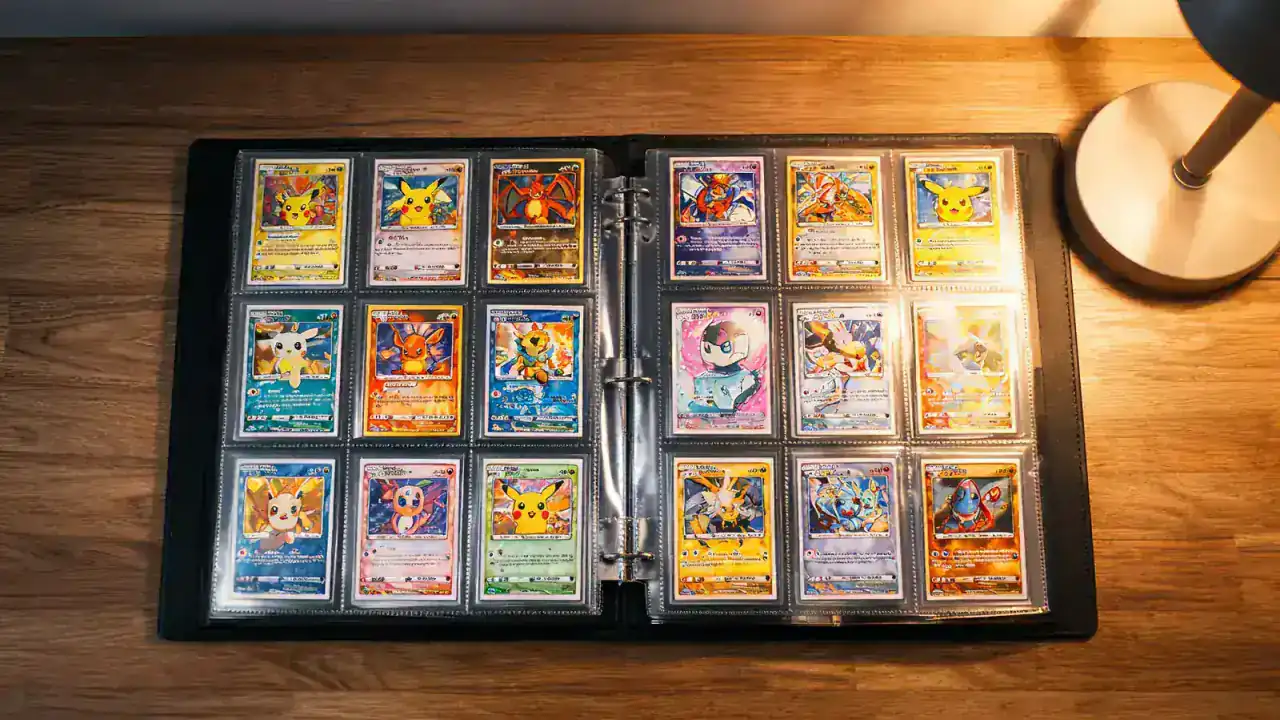
I have a binder I call the favorites set. It is not the most valuable cards I own. Those live in one-touch holders in a fireproof box. The favorites binder is different. It is the one I actually flip through, the cards I pull out to show someone, the ones that made me a collector in the first place. For years I kept that binder cheap, because I figured the cards inside did not need serious protection. They were for enjoying, not investing. That thinking cost me a card, and I am glad it only cost me one.
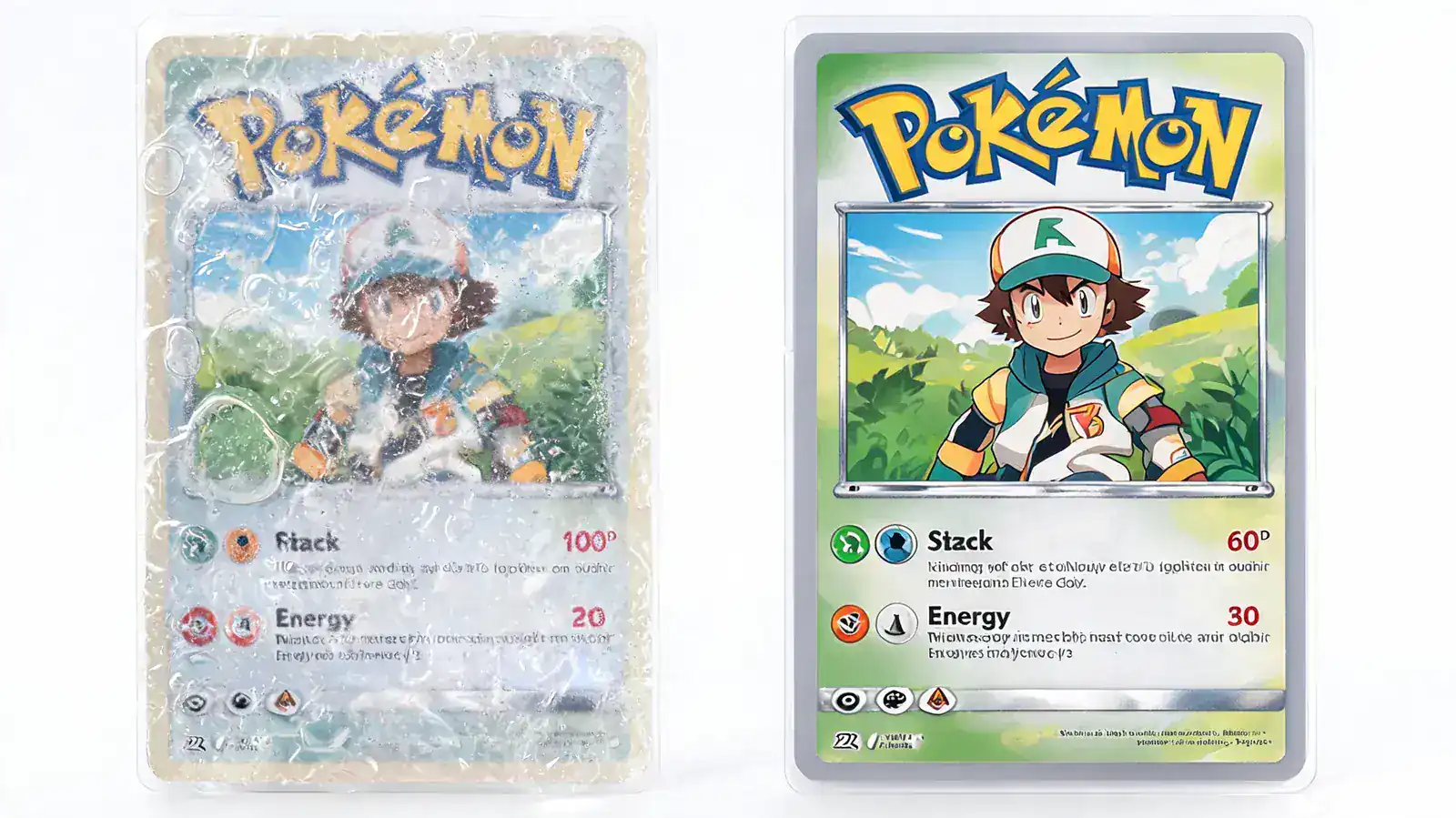
The binder I was using came from a big-box store. Nine pockets, decent enough zipper, a few dollars. I had used similar binders for years without any obvious trouble. One afternoon I was flipping through and I noticed something wrong on a holographic Charizard reprint I really liked. A tiny bubble, right in the upper corner of the card face. The kind of bubble where the plastic page had touched the card surface long enough to partially adhere to it. I knew immediately what it was. PVC off-gassing. The cheap page material was slowly breaking down and the byproducts were sticking to my cards. That binder went in the trash that night.
The PVC was off-gassing. The page material was breaking down and the byproducts were adhering to my cards. That binder went in the trash that night.
I spent a few hours doing research I should have done years earlier. The problem with cheap binders is not just build quality. It is chemistry. PVC, which is what most discount card pages are made from, releases plasticizers as it ages. Those plasticizers are oily and acidic. Over time they migrate to whatever surface the PVC is touching, which in a card binder is your cards. It is slow enough that you might not notice for a year or two. Then one day you do notice, and the damage is already done. No way to reverse it.
After reading enough collector forums and Reddit threads, the name that kept coming up for binders was Vault X. Specifically the 9-pocket zip binder with their Exo-Tec material. The pages are not PVC. The material is described as non-PVC, acid-free, and archival-safe. I was skeptical the way you get skeptical of any product claim, but the community consensus was unusually strong. People who had been using Vault X binders for years were reporting zero issues with card surfaces. I ordered one.
If your current binder came from a big-box store, your cards are probably touching PVC pages right now.
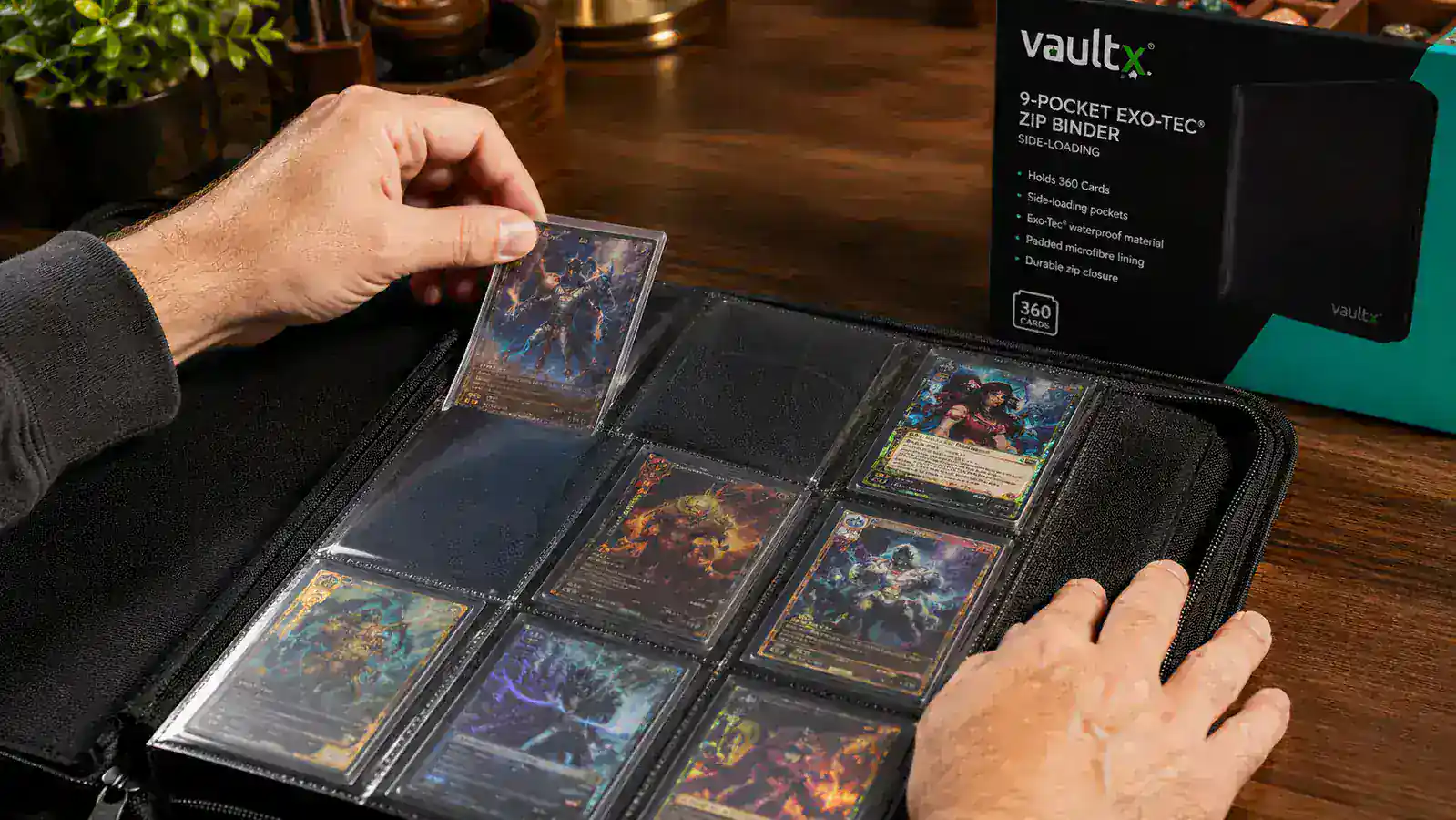
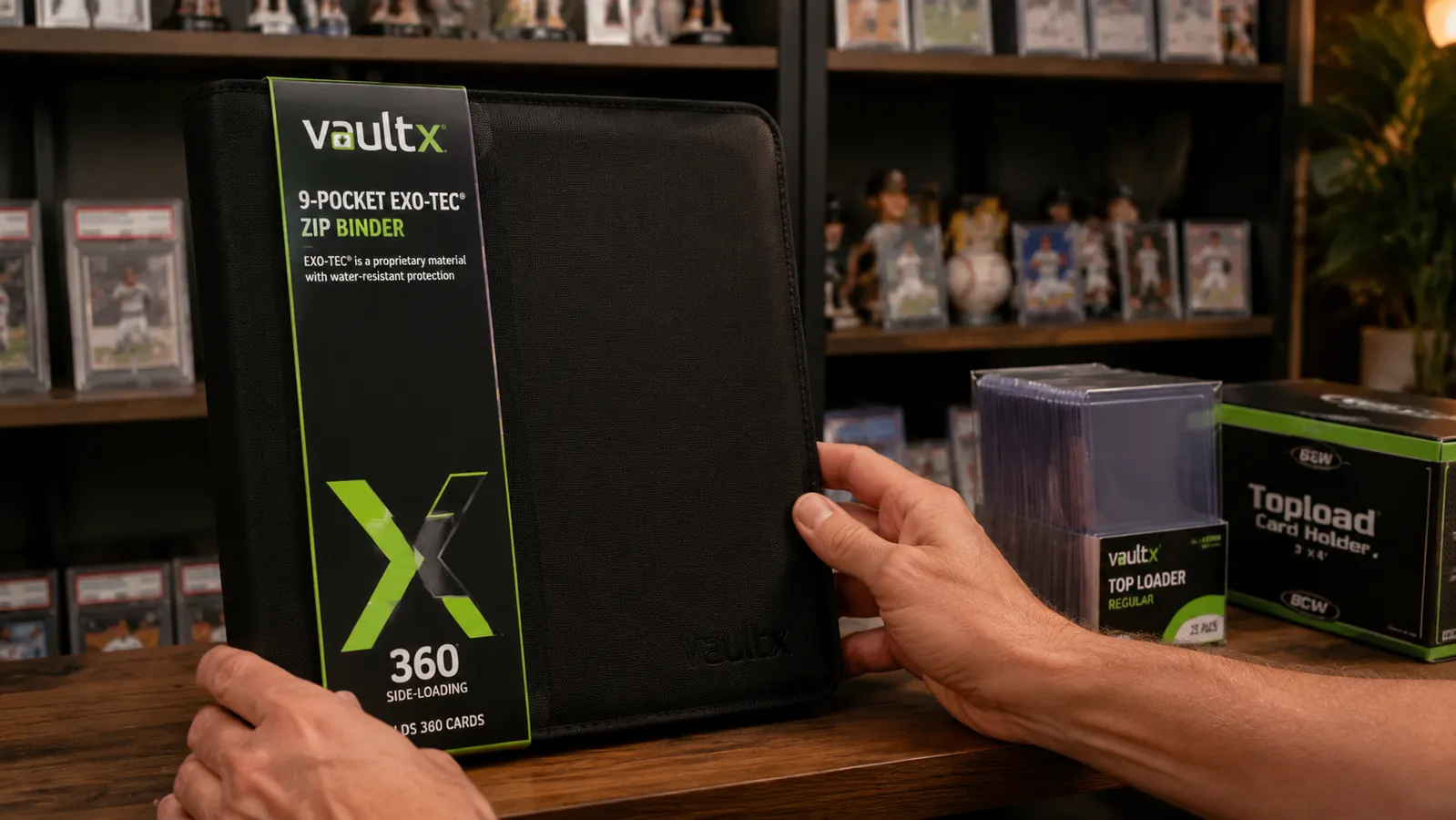
The Vault X 9-pocket zip binder uses non-PVC, acid-free pages that will not off-gas onto your cards. It holds 360 cards in 20 side-loading pages and the zipper keeps everything closed during storage and transport.
Amazon Check Today's Price on Amazon →The first thing I noticed when the Vault X arrived was the build. Not flimsy at all. The Exo-Tec exterior has a slight texture to it and feels closer to a quality laptop bag than a binder from the school supply aisle. The zipper is a real zipper, the kind that closes flush and stays closed. I have had binders where the zipper started pulling away from the spine after a few months. Three years in on this one and the zipper is exactly where it started.
The pages are side-loading, which matters more than most people think until they have experienced top-loading pages. With a top-loading page, if you tilt the binder or shake it even slightly, cards can slide up and out. With a side-loading page, the card has to travel horizontally before it can exit the pocket, which essentially never happens in normal use. My cards stay where I put them. I do not reach in and feel that small panic of a card starting to slide while I am holding the binder open.
Each page holds nine cards in a three-by-three grid. The binder comes with 20 pages, which gives you 360 card slots total. For a focused set like my favorites binder, that is more than enough. The pocket fit is snug on sleeved cards without being so tight that you are forcing cards in and risking corner damage on the sleeve. I run penny sleeves under everything in this binder and the fit is good. Thicker cards like ETB promos and some older Japanese cards fit in the outer pockets with a little more resistance, but they go in.
The card I lost to that cheap binder was not a chase card. But it was one I liked, and the damage was permanent. At today's price the Vault X costs about what you would pay for two or three nights of takeout. If you have a binder full of cards you actually care about, that is the cheapest upgrade you can make to your storage. A new card to replace a damaged one almost always costs more than the binder would have.
What I'd Tell You If We Were Sitting at My Kitchen Table
Here is the thing about card storage that nobody tells you when you are just getting started. The cheap versions of almost everything work fine for a while. Cheap top loaders, cheap sleeves, cheap binders. They hold the cards. They look fine. The problems are slow and invisible, which means you often do not find out there was a problem until you are already looking at damage you cannot fix. The bubble I found on that card had been forming for months before I noticed it. I have no idea what state the rest of those cards were in by the time I threw that binder out.
The Vault X is not a luxury product. It is a mid-priced binder that does the one thing a binder needs to do without secretly destroying your cards in the process. The Exo-Tec material holds up, the zipper holds up, the pages hold up. Three years into daily handling for the favorites set and I have no complaints. My cards look exactly like the day I sleeved them. That is the whole point.
If you have a binder full of cards you actually flip through and enjoy, do not wait for a bubble to tell you there is a problem. The upgrade costs less than you think, and the peace of mind is worth considerably more.
Your favorites deserve better than off-gassing PVC pages.
The Vault X 9-pocket zip binder holds 360 cards in acid-free, non-PVC side-loading pages. The Exo-Tec exterior and full-perimeter zipper make it one of the most durable binders in the hobby at this price point.
Amazon Check Today's Price on Amazon →