
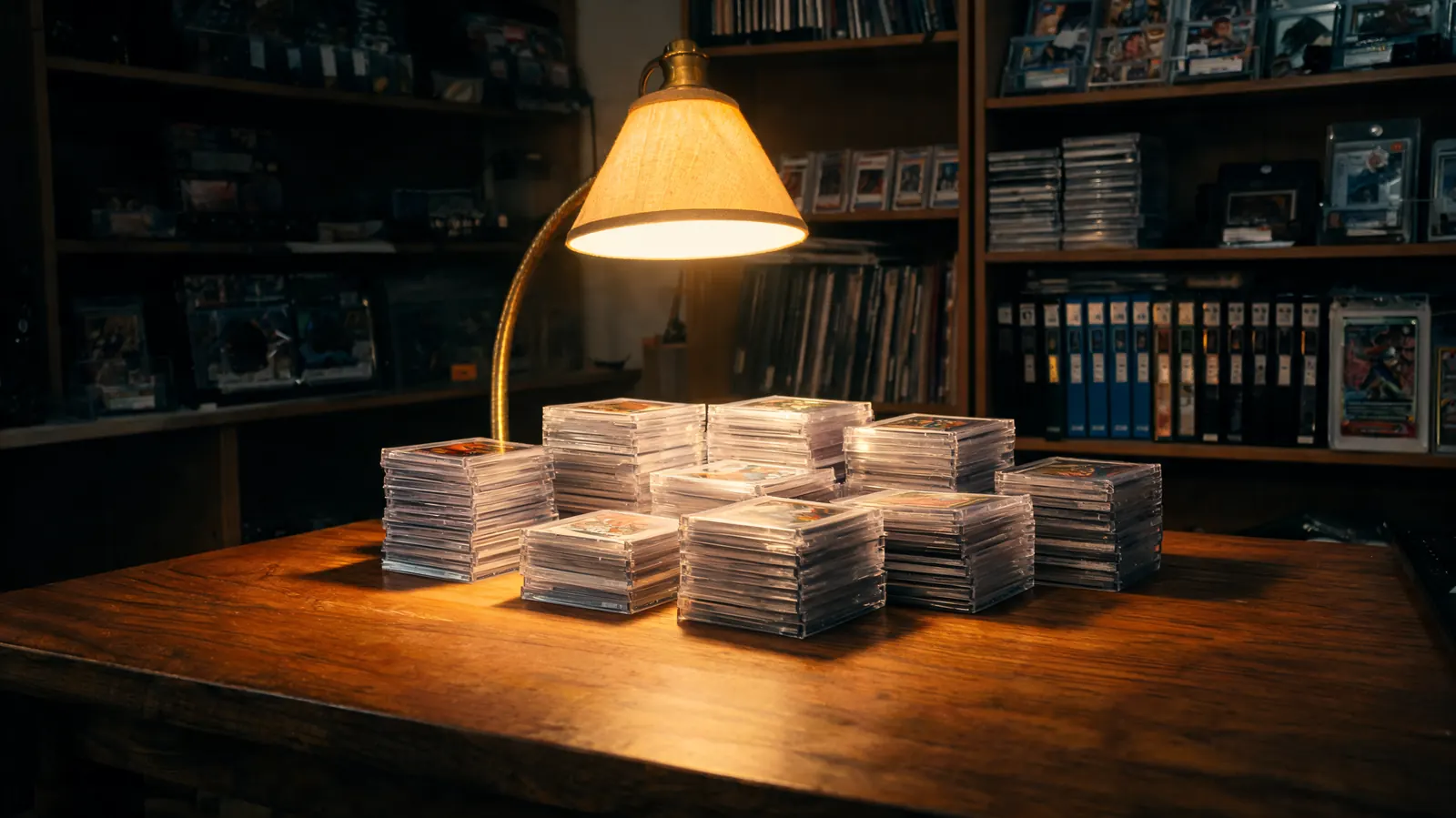
My buddy Marco came over to trade on a Saturday afternoon last winter. We do this a few times a year. He brings his binder, I pull out whatever I've been sitting on, and we go through everything card by card. I've always looked forward to it. That afternoon was different.
I handed him a rubber-banded stack of cards I'd been keeping in an old shoebox on my shelf. Maybe 200 cards in there, mix of baseball and Pokemon, none of them in a proper Ultra Pro top loader, some of them going back a decade. He started going through them, tilting them toward the light, turning them over. He didn't say anything. But I could read his face. Corner dinges. Surface scuffs where cards had been sliding against each other for years. A couple of 2019 Topps rookies with the kind of edge wear that drops a PSA 10 to an 8 before the grader even picks it up. He handed the stack back and said, 'Nice pulls in here, man.' Said it kindly. But I saw what he saw.
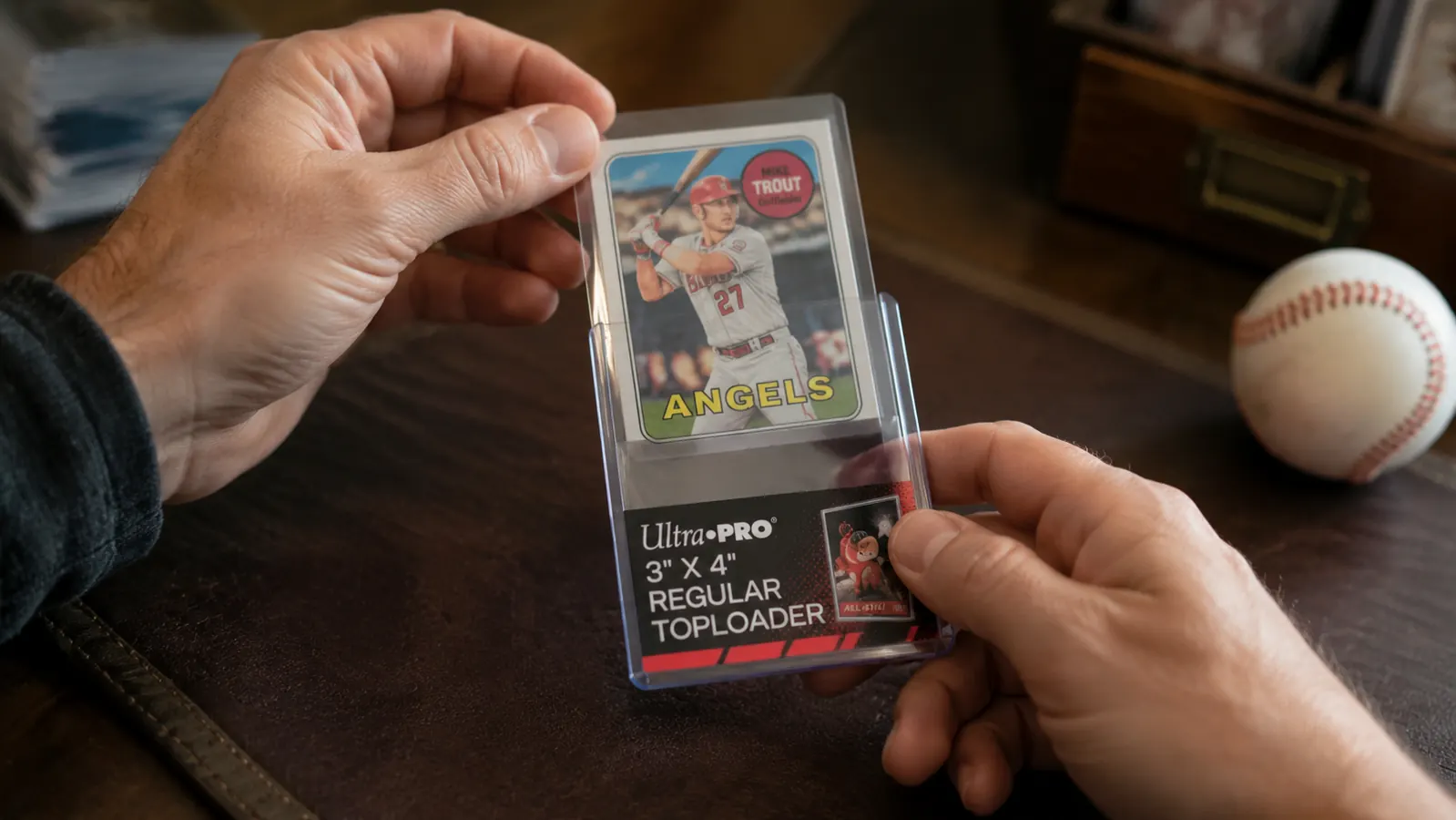
That night I ordered a 25-pack of Ultra Pro 3x4 top loaders. Fourteen dollars shipped. I figured I'd sort through the shoebox, pull anything worth protecting, and slot it in. Should take an afternoon.
Cards are worth what you protect them at. The condition isn't just about the card. It's about every decision you made while it was sitting in your collection.
It took three weekends. I went through that shoebox and found two more behind it. Then a grocery bag in my closet I'd completely forgotten about. Three hundred cards became six hundred. Six hundred became close to two thousand once I started pulling stuff out of old binders where the pages had yellowed and gone brittle. Some of those binder pages had been scratching the card faces every time I opened them. I hadn't noticed because I stopped opening those binders. That was its own kind of answer about how bad things had gotten.
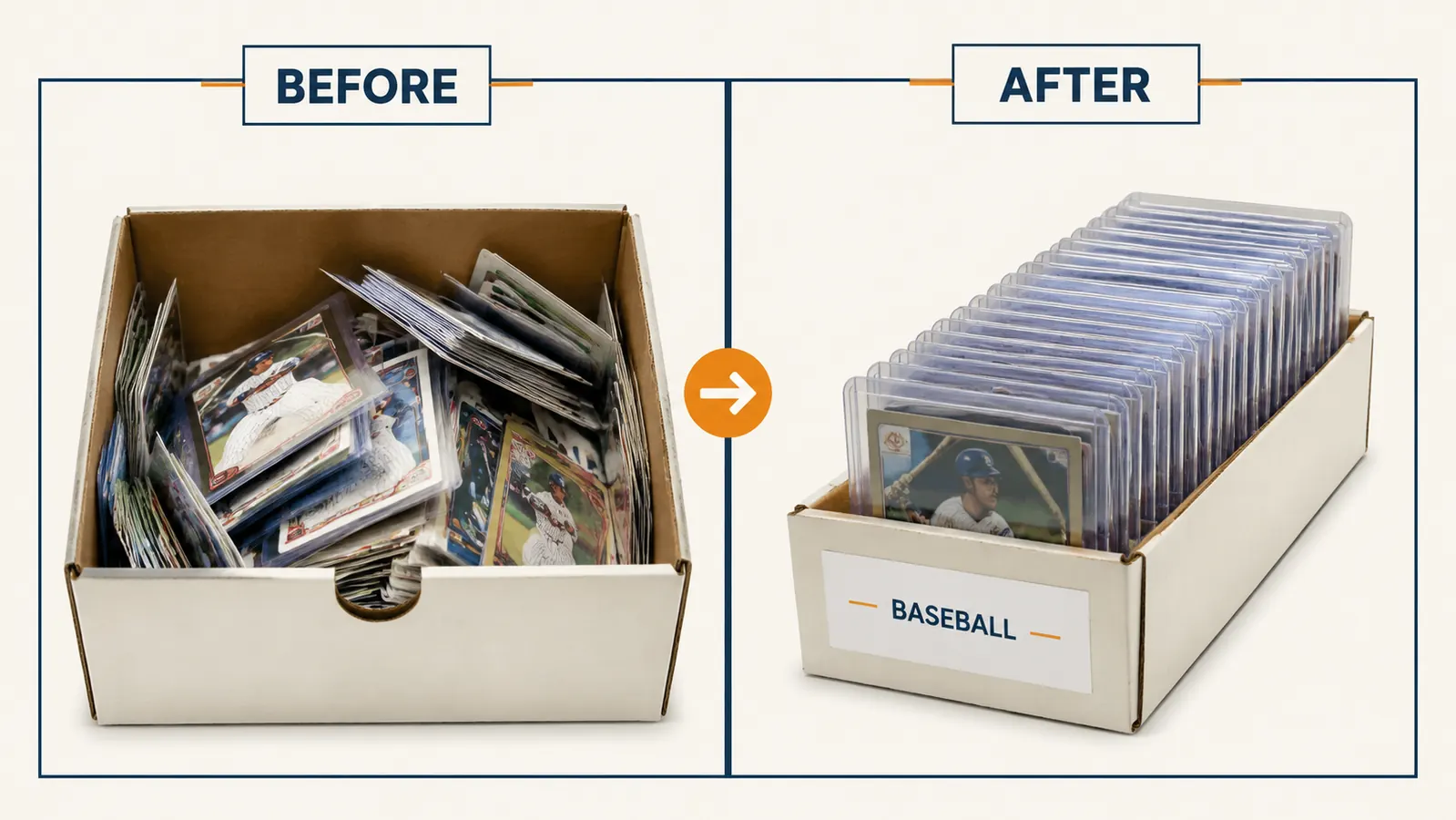
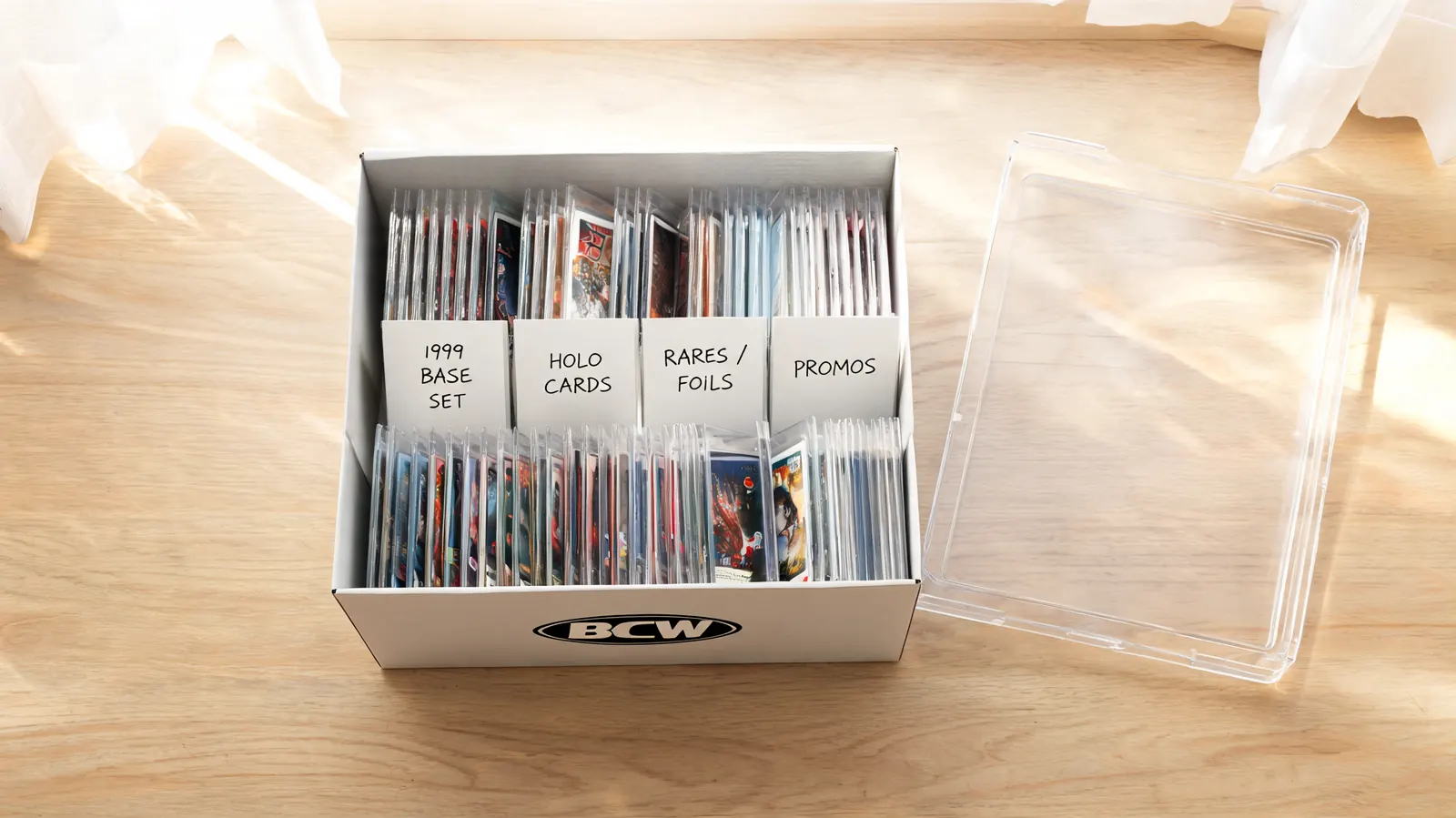
I went back and ordered a 100-pack. Then a 200-pack. Then another 200-pack. I kept a notepad on my desk where I was logging everything as I sleeved it: penny sleeve first, then top loader, then a piece of painter's tape across the open end so nothing shifted during storage. Card, sleeve, loader, tape, row. Card, sleeve, loader, tape, row. It became almost meditative. By the end of the third weekend I had close to eighteen hundred cards standing upright in proper rows inside three BCW boxes on my shelf. The shoeboxes went in the recycling.
The same 25-pack that started all of this is still on Amazon today.
Ultra Pro 3x4 top loaders are the standard rigid holder for standard-size cards. 35-point thickness, UV-protective clarity, fits baseball, Pokemon, MTG, and most standard TCG cards without a problem. Buy one pack and see if you don't end up ordering more.
Amazon Check Today's Price on Amazon →I want to be honest about what the top loaders do and don't fix. They protect corners and surfaces. They keep cards from sliding against each other, which is where most of the surface scuffing comes from on bulk stored cards. The rigid walls stop the soft bends you get from leaning a stack in a box at an angle. What they don't do is reverse damage that's already there. The 2019 Topps rookie I was excited about, the one with the corner ding Marco noticed, it still has that corner ding. I put it in a loader anyway because it deserved to stop getting worse. But it's not going to grade the same as it would have if I'd sleeved it in 2019. That's the tax you pay for not knowing better earlier.
I'm not telling you that story to make you feel bad about your storage situation. I'm telling it because I spent years telling myself the cards were 'fine' when I wasn't doing anything to protect them. Fine is a low bar. Fine means corners you can still see. Fine means surfaces with no cracks. Fine is not the same as the card being in the condition you need it to be in to get the grade you want, or to trade it with confidence, or to look at it two years from now and not wince.
What I'd Tell You If We Were Sitting at My Kitchen Table
If you've got cards in shoeboxes right now, or loose in a bag, or rubber-banded in a stack somewhere, go order a 25-pack of Ultra Pro top loaders today. Not because top loaders are magic. Because the ten minutes you spend sleeving a card is the only investment that directly protects the money you already spent pulling it. A top loader costs about twenty cents. A PSA grading submission costs twenty-five dollars minimum per card, and that's before you find out the card graded a point lower than you expected because of edge wear you could have prevented.
Two years after that Saturday with Marco, he came over again. Brought his binder, same as always. I pulled out my BCW boxes and we went through everything row by row. He picked up a 2021 Bowman chrome prospect I'd been sitting on, held it up to the light, turned it over. Handed it back and said, 'That's a ten.' Maybe it is. Maybe it's a nine-five. But it's in the same condition it was the day I pulled it from the pack, and that's because of twenty cents of rigid plastic and five minutes of time I spent right after I bought it. That's the whole lesson.
Your cards are worth more when you treat them like it from day one.
Ultra Pro 3x4 top loaders have 15,000+ reviews on Amazon and a 4.8-star rating for a reason. They're the standard for serious collectors. Start with a 25-pack and work your way through your collection.
Amazon Check Today's Price on Amazon →